Pregnancy Massage Bali Safe Prenatal Relaxation Guide
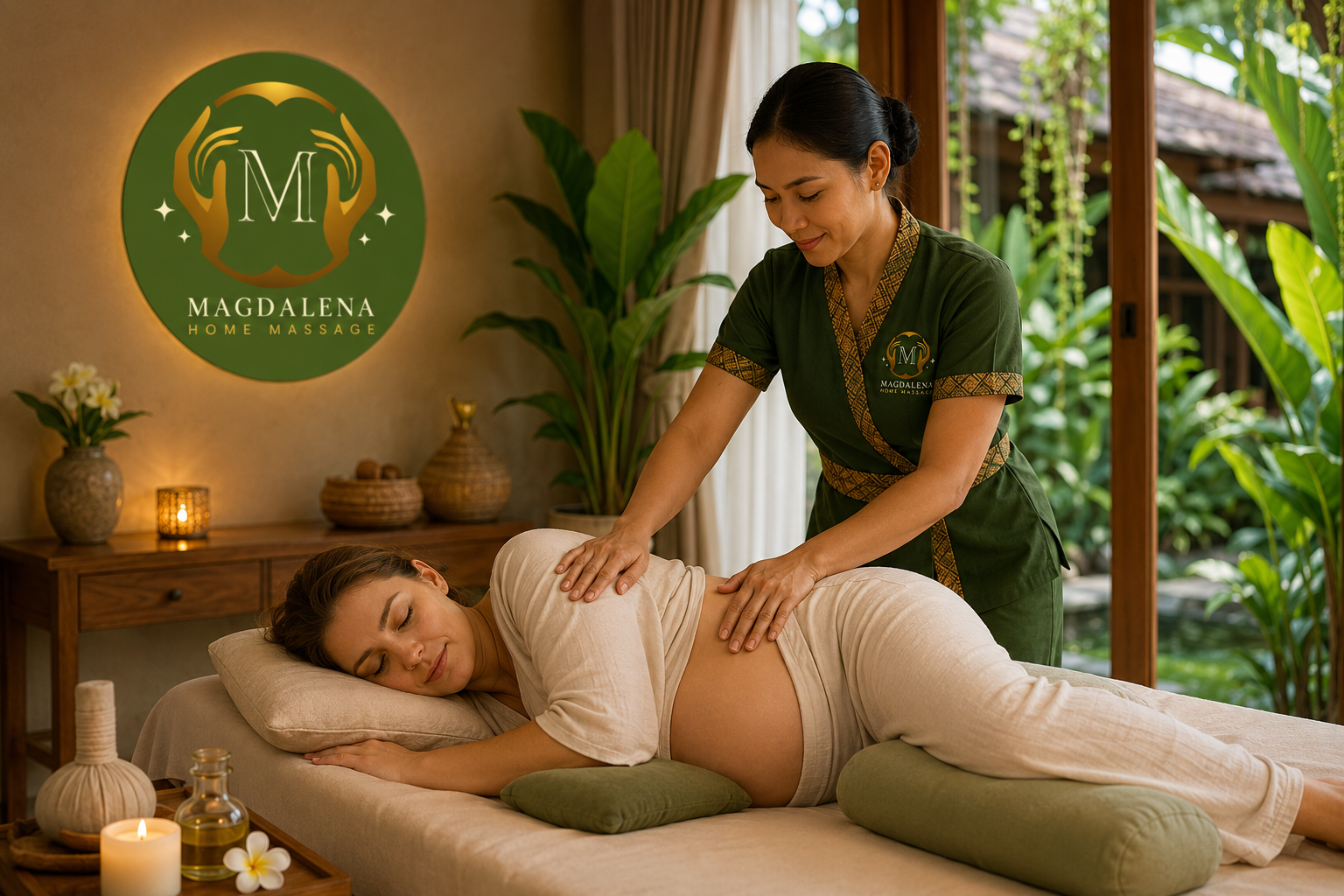
Pregnancy Massage Bali is becoming one of the most recommended wellness treatments for expecting mothers who want to reduce physical discomfort while enjoying a safe and relaxing pregnancy in Bali. Whether you are visiting the island for a holiday, staying for several months, or living here throughout your pregnancy, finding a qualified therapist who understands prenatal care can make a significant difference to your comfort and wellbeing.
Many pregnant women experience back pain, swollen feet, muscle tension, difficulty sleeping, and fatigue as their pregnancy progresses. Long flights to Bali, changes in daily activities, tropical weather, and standing or walking for extended periods can make these symptoms even more noticeable. Unfortunately, many mothers hesitate to book a massage because they worry about safety or are unsure whether pregnancy massage is suitable for their stage of pregnancy.
From practical experience in the wellness industry, these concerns are completely understandable. The good news is that a professionally performed prenatal massage, using appropriate techniques and proper positioning, is widely considered a safe way to promote relaxation for healthy pregnancies when performed by trained therapists and with approval from a healthcare provider when needed.
For visitors and residents alike, choosing a professional Mobile Massage Bali service also removes the stress of traveling through traffic or sitting in a car while experiencing pregnancy discomfort. Receiving treatment in the comfort of your villa, hotel, or private residence often creates a calmer and more enjoyable experience.
This guide explains everything you need to know before booking a prenatal massage in Bali. You will learn how pregnancy massage works, when it is recommended, what benefits you can realistically expect, and how to choose a therapist who prioritizes both safety and comfort.
Why More Mothers Are Choosing Pregnancy Massage Bali
Pregnancy changes almost every part of the body. Hormonal shifts loosen ligaments, body weight gradually increases, posture changes, and muscles work harder to support both mother and baby. These natural changes often create discomfort that cannot always be relieved through rest alone.
This is one reason why Pregnancy Massage Bali has become increasingly popular among international travelers and local residents. Rather than treating massage as a luxury, many mothers now view it as part of a balanced prenatal wellness routine.
Unlike traditional relaxation massage, prenatal massage focuses on adapting every technique to the needs of pregnancy. Pressure, body positioning, massage duration, and treatment areas are carefully adjusted to help mothers relax without placing unnecessary strain on the body.
Another important advantage is flexibility. Many pregnant women prefer staying in familiar surroundings instead of traveling to a spa. Booking a professional Mobile Massage Bali service allows certified therapists to bring all necessary equipment directly to the accommodation, creating a more comfortable environment for both mother and baby.
Understanding What Makes Prenatal Massage Different
One of the biggest misconceptions is that pregnancy massage is simply a gentler version of a regular massage. In reality, experienced prenatal therapists modify nearly every aspect of the treatment.
Instead of lying flat on the stomach or back for long periods, mothers are usually positioned comfortably on their side using supportive pillows. This helps reduce pressure on the abdomen while supporting healthy circulation.
Massage techniques also focus more on relieving muscle fatigue than applying deep pressure. Gentle strokes encourage relaxation while reducing tension in areas that commonly become sore during pregnancy, including the lower back, hips, shoulders, calves, and feet.
Experienced therapists also avoid certain pressure points and techniques that may not be appropriate during pregnancy. This knowledge is one of the reasons why choosing trained professionals is so important.
Common Pregnancy Discomfort That Massage May Help Relieve
Every pregnancy is unique, but several complaints appear consistently among expecting mothers.
Many women report persistent lower back pain as the baby’s weight shifts the body’s center of gravity. Others notice increasing hip tightness caused by changing posture throughout pregnancy.
Leg cramps are another common concern, particularly during the second and third trimesters. Gentle massage can help relax tense muscles while encouraging better circulation throughout the legs.
Swollen feet and ankles also become more noticeable, especially after sightseeing, shopping, or spending hours exploring Bali. While massage cannot eliminate pregnancy related swelling entirely, light techniques may help improve comfort by supporting healthy fluid movement.
Shoulder and neck stiffness often develop because mothers unconsciously adjust their posture as pregnancy progresses. Carrying additional weight naturally places extra strain on the upper body.
Perhaps one of the most valuable benefits is stress reduction. Pregnancy brings excitement, but it can also create emotional changes, interrupted sleep, and anxiety. Many mothers describe prenatal massage as one of the few moments during the week when they can fully relax both physically and mentally.
Is Pregnancy Massage Safe During Pregnancy?
Safety is understandably the first question most mothers ask before booking a massage.
For healthy pregnancies, prenatal massage is generally considered safe when performed by trained professionals who understand pregnancy specific techniques. However, massage should never replace medical advice, and every pregnancy should be considered individually.
Most professional therapists recommend waiting until the second trimester before scheduling a prenatal massage. During the first trimester, some mothers and healthcare providers prefer to postpone massage as an additional precaution, even though evidence linking massage to pregnancy complications remains limited.
If you have a high risk pregnancy, severe swelling, preeclampsia, vaginal bleeding, uncontrolled diabetes, fever, blood clot concerns, or any pregnancy complications, always consult your obstetrician or midwife before booking treatment.
Professional therapists should also ask several questions before the appointment begins. These typically include your pregnancy week, medical history, current symptoms, and whether your doctor has advised any restrictions.
This consultation demonstrates that the therapist prioritizes your wellbeing rather than simply providing a routine massage.
Choosing the Right Pregnancy Massage Timing
The body changes throughout every trimester, so massage techniques also evolve.
During the second trimester, mothers often experience increasing muscle tension while still feeling relatively comfortable changing positions. This period is commonly considered the ideal time to begin regular prenatal massage sessions.
By the third trimester, treatments often become even more focused on relieving lower back pressure, hip discomfort, tired legs, and general fatigue. Sessions may also be slightly shorter depending on individual comfort.
Therapists continuously adjust positioning with pillows and cushions throughout the treatment to ensure both mother and baby remain comfortable.
Signs You Should Postpone Your Massage
Although Pregnancy Massage Bali is suitable for many mothers, there are situations where waiting is the safer choice.
You should postpone your appointment if you experience fever, active illness, unexplained abdominal pain, heavy swelling accompanied by headaches, vaginal bleeding, leaking amniotic fluid, contractions before full term, or any symptoms that require immediate medical evaluation.
Likewise, if your healthcare provider advises against massage for medical reasons, follow their guidance before considering any wellness treatment.
A reputable Mobile Massage Bali provider will always respect these recommendations and encourage medical consultation whenever necessary.
How Professional Therapists Prepare for a Safe Prenatal Massage
One of the clearest signs of a quality service is the preparation before the massage even begins.
Experienced prenatal therapists do not simply arrive and start treatment. They first discuss your pregnancy stage, current comfort level, preferred pressure, and any areas that require extra attention or should be avoided.
The massage environment is also carefully prepared. Clean towels, fresh linens, supportive pillows, and a calm atmosphere help create a relaxing experience from the moment the session starts.
Temperature matters as well. Pregnant women often become more sensitive to heat, so maintaining a comfortable room temperature can significantly improve the overall experience.
Throughout the massage, therapists regularly check whether you remain comfortable and adjust pressure or positioning whenever necessary. This continuous communication is one of the biggest differences between prenatal massage and standard relaxation massage.
Rather than aiming for intense muscle work, every movement is designed to help you feel supported, relaxed, and physically comfortable while respecting the unique needs of pregnancy.